The Rise of Eco-Friendly Fencing Options
As environmental awareness grows, more homeowners are seeking sustainable solutions for their properties. One area where this trend is evident is in fencing. Eco-friendly fencing options not only enhance the aesthetic appeal of homes but also contribute to a greener planet. In this blog post, we'll explore various eco-friendly fencing solutions, their benefits, and how to choose the right one for your home.
What is Eco-Friendly Fencing?
Eco-friendly fencing refers to fencing materials and designs that minimize environmental impact. These options often use sustainable materials, require less energy to produce, and promote biodiversity. By choosing eco-friendly fencing, homeowners can make a positive contribution to environmental conservation while still enjoying the functional and aesthetic benefits of traditional fencing.
Benefits of Eco-Friendly Fencing
- Sustainable materials reduce deforestation and resource depletion.
- Lower carbon footprint compared to traditional fencing materials.
- Enhanced durability and longevity, leading to less waste over time.
- Aesthetic appeal that blends seamlessly with natural landscapes.
- Improved property value through environmentally friendly enhancements.
Common Eco-Friendly Fencing Materials
- Bamboo: A fast-growing, renewable resource that’s both strong and lightweight.
- Recycled Plastic: Made from post-consumer waste, this option is durable and low-maintenance.
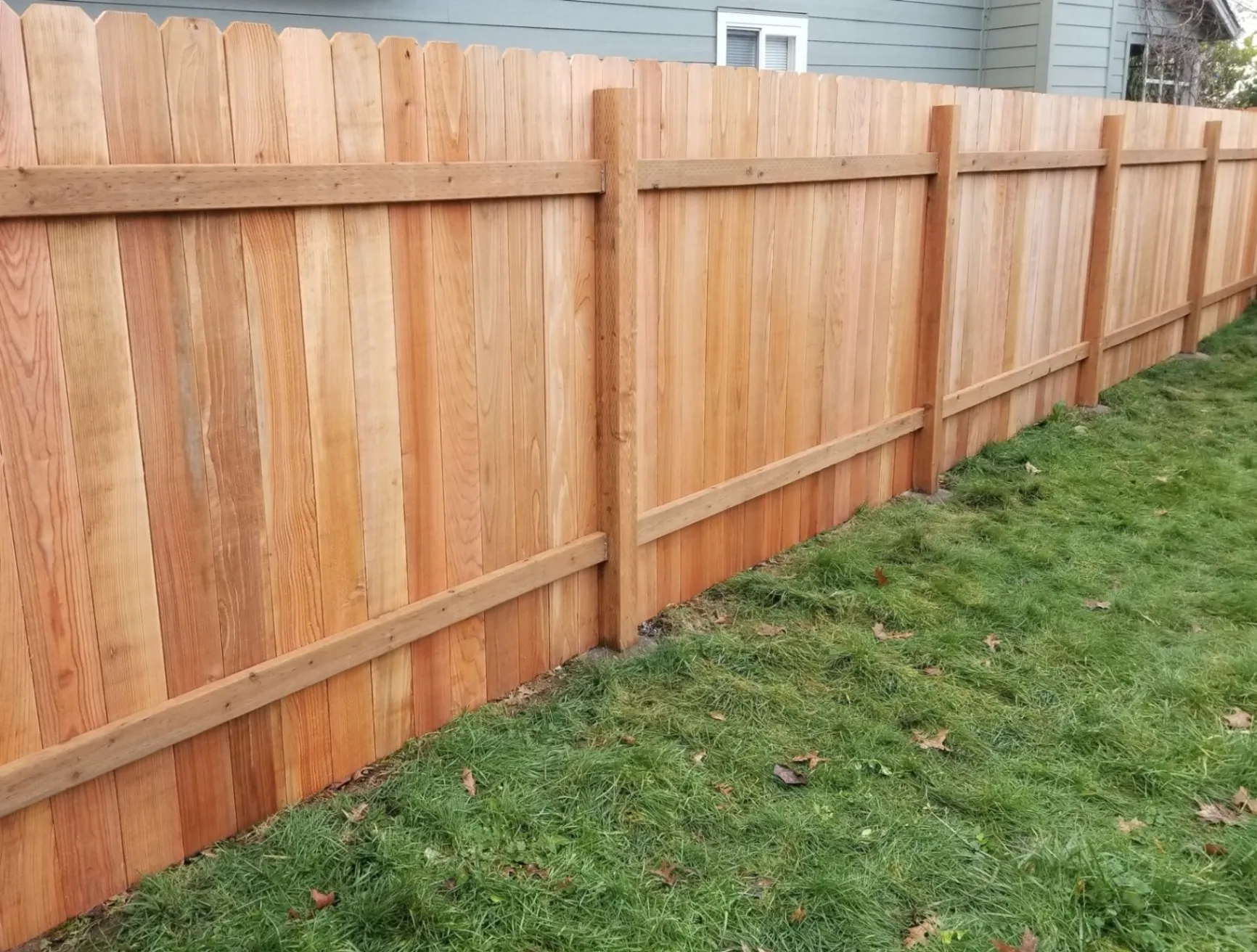
- Wood from Sustainable Sources: Fencing made from certified sustainable wood like cedar or redwood.
- Vinyl Fencing: Often made from recycled materials, vinyl is long-lasting and requires minimal upkeep.
- Living Fences: Composed of plants and shrubs, these fences provide natural barriers and enhance biodiversity.
How to Choose Eco-Friendly Fencing
When selecting an eco-friendly fence, consider the following factors:
- Material Sourcing: Look for certifications indicating sustainable harvesting.
- Durability: Choose materials that will withstand weather conditions and require less frequent replacement.
- Local Availability: Opt for materials sourced locally to reduce transportation emissions.
- Aesthetic Compatibility: Ensure the fencing style complements your home and landscape.
- Maintenance Requirements: Consider how much upkeep the fence will require over time.
DIY vs. Professional Installation
Deciding whether to install your eco-friendly fence yourself or hire a professional can impact both cost and outcome. Here are some pros and cons:
- DIY Pros: Cost savings, personalized design choices, and a sense of accomplishment.
- DIY Cons: Requires time, tools, and expertise; risk of improper installation.
- Professional Pros: Expertise in installation, ensuring longevity and compliance with regulations.
- Professional Cons: Higher initial costs, less flexibility in design alterations.
Incorporating Eco-Friendly Fencing into Your Green Home
Integrating eco-friendly fencing into your green home can enhance your overall sustainability efforts. Here are some tips:
- Combine fencing with native landscaping to support local ecosystems.
- Use solar-powered lighting along your fence to enhance safety and aesthetics.
- Consider a rainwater collection system adjacent to your fence to promote efficient water use.
- Incorporate vertical gardens into your fence design for added greenery and insulation.
Conclusion
The rise of eco-friendly fencing options reflects a significant shift towards sustainable living. By choosing materials that are not only functional but also environmentally responsible, homeowners can contribute to a healthier planet. Whether you opt for bamboo, recycled plastic, or a living fence, each choice can play a role in promoting sustainability. As you plan your fencing project, consider the benefits of eco-friendly options and how they align with your values and goals for a green home.